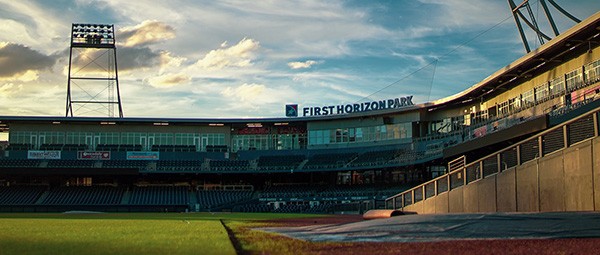
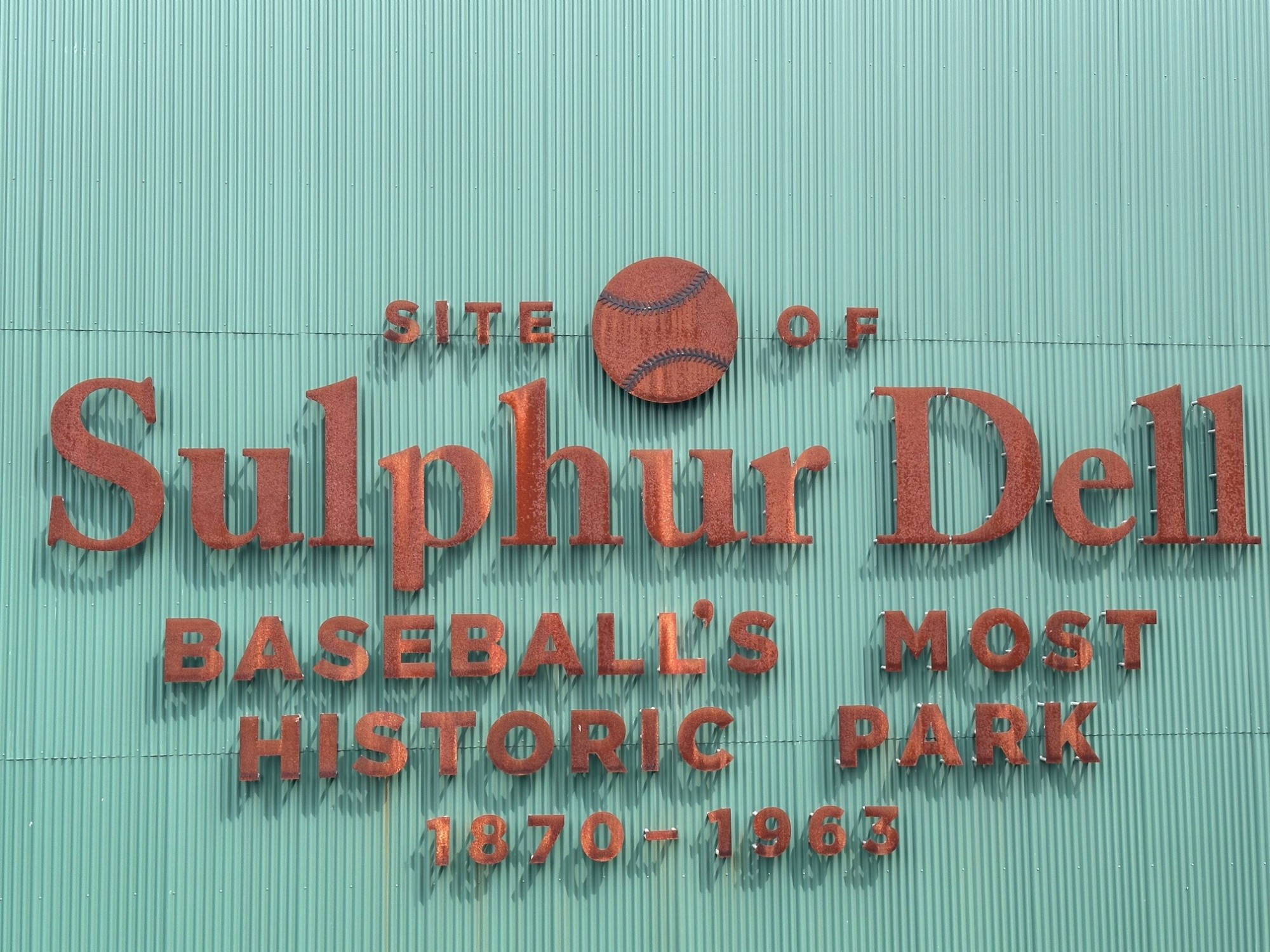
Baseball returned to its historic home at Sulphur Dell, the original home of professional baseball in Nashville.
Structural Information
Completion Date: April 2015
100,000 square feet
Built by
Architect: Hastings Architecture Associates, LL
Design Architect: Populous, Drawing People Together
Project Manager: Gobbell Hays Partners, Inc.
Project Manager: Capital Project Solutions (CPS)
Construction Manager: Barton Malow / Bell / Harmony
MEP Engineer: Smith Seckman Reid, Inc.
Structural Engineer: Walter P. Moore
Civil Engineer: Barge Cauthen & Associates
Seating Capacity
Seating capacity is approximately 10,000 people, with 8,500 fixed seats.
A 1,000-space car lot is just south of the ballpark, and a greenway is included on the property.
Cost
Cost of construction: Approximately $70 million.
Financed By: Municipal Bonds - $65 million.
Repayment:
Sales Tax generated by ballpark.
Property Tax revenue from nearby development.
A majority of the investment was private, including more than $50 million by the Nashville Sounds for a multi-family/retail development and $37 million by Embrey for a multi-family development.
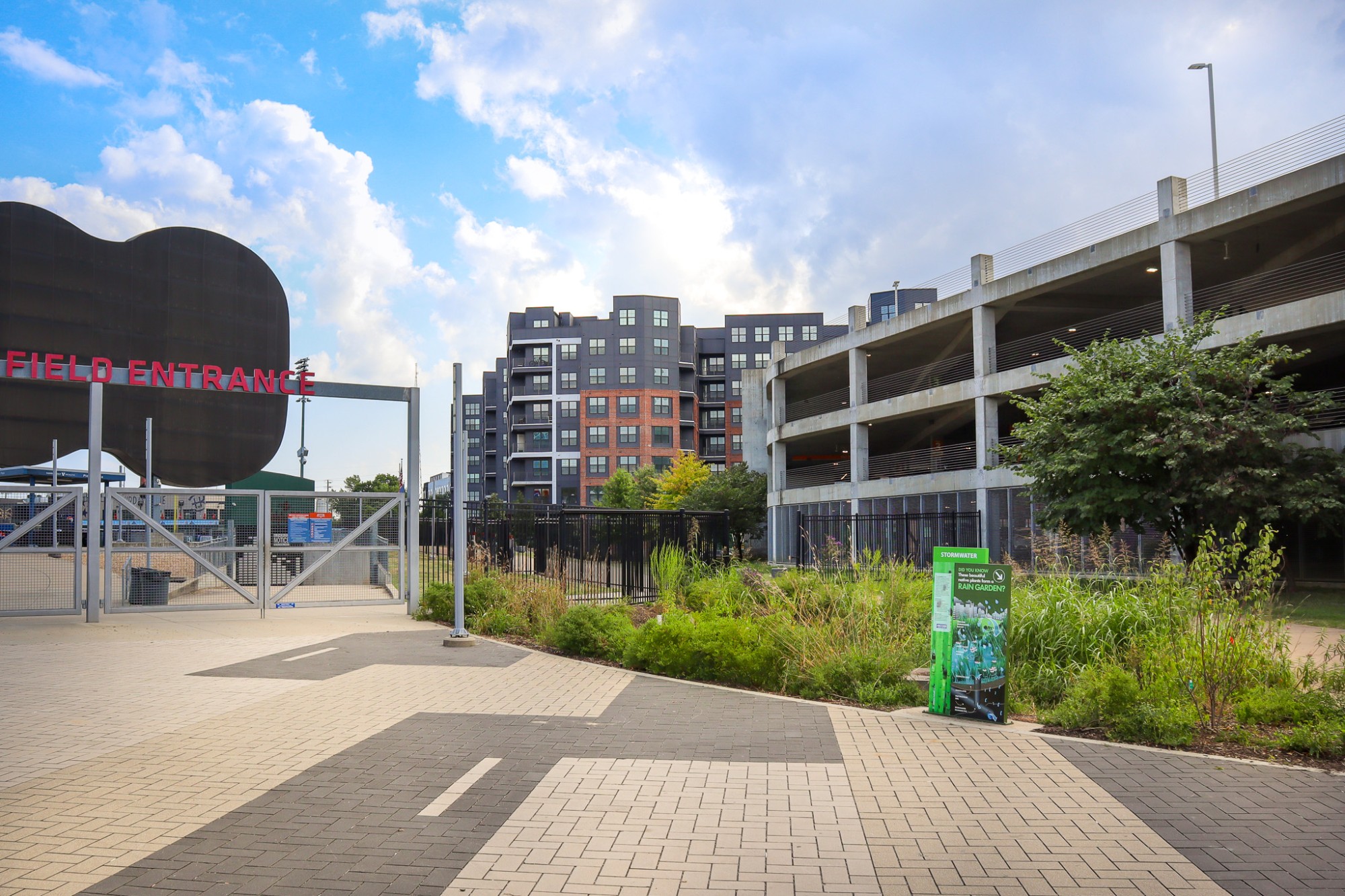
Nashville's rapid growth is reshaping the city, and with every new development comes a responsibility to protect our environment. The designers of First Horizon Park have set a strong example by incorporating green infrastructure including permeable pavement, street trees, and a bioretention cell into the home of the Nashville Sounds. These (and other) natural mechanisms for managing runoff are maintained in accordance with the Metro Nashville Stormwater Management Manual, which aims to minimize the impact of urbanization on the health of our streams and rivers. The Cumberland River Compact is proud to play a part in this mission by maintaining the bioretention cell at First Horizon Park.
Bioretention cell and permeable pavement at First Horizon Park’s right field entrance.
Initially, the Metro Sports Authority contracted the Compact to prepare the bioretention cell before the park’s opening game. Recognizing the importance of ongoing care, the Compact continued to volunteer their expertise throughout the summer, enhancing the area with new rain garden plants, mulching, weeding, and removing litter. This collaborative relationship has since grown, and this year, the Metro Sports Authority has officially partnered with the Compact to continue this important maintenance. The Compact’s dedication and the Sports Authority’s commitment to sustainability have ensured that the bioretention cell remains an effective and well-maintained feature of the park.
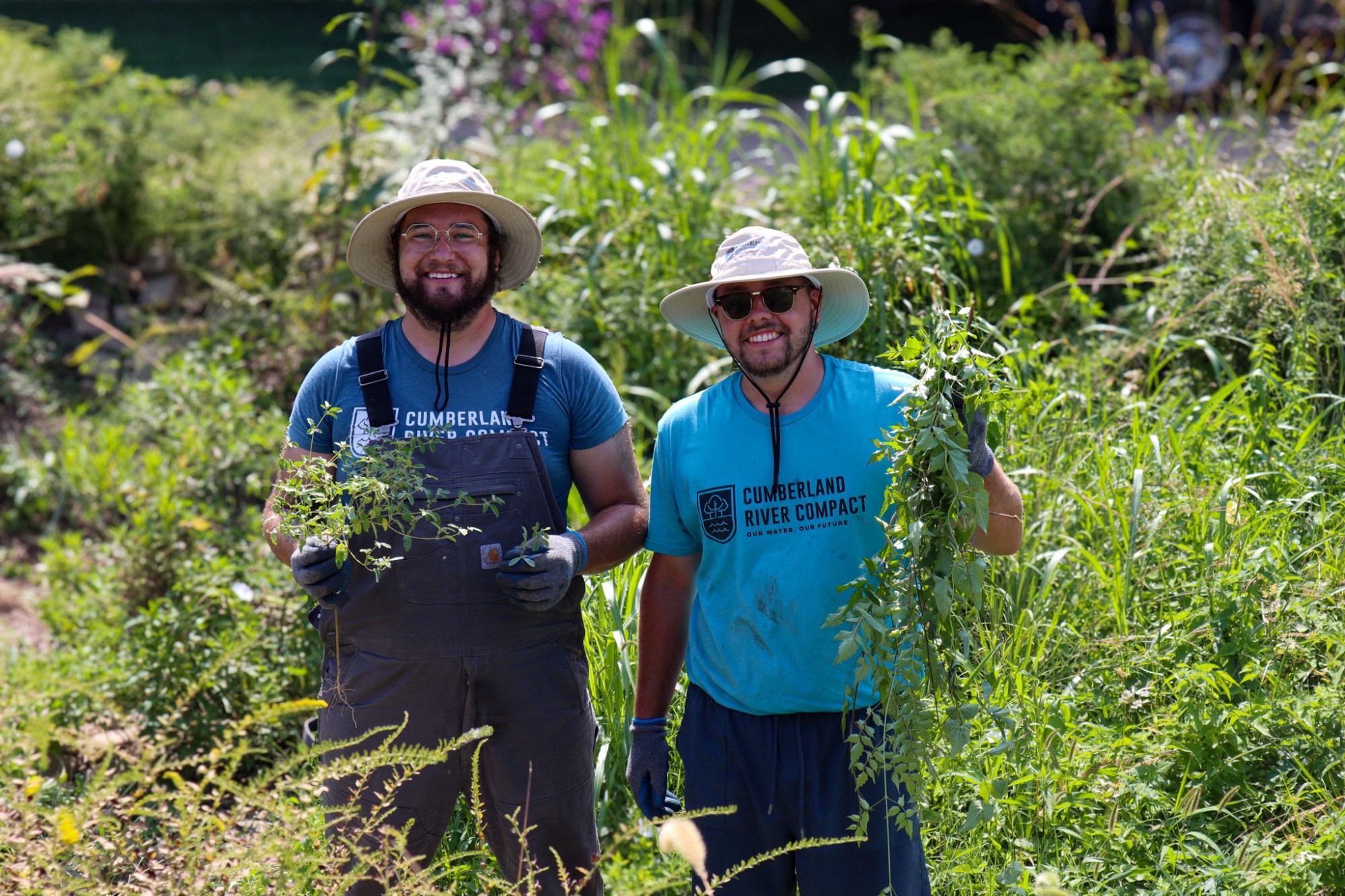
Members of the Cumberland River Compact Field Team remove invasive species from the bioretention.
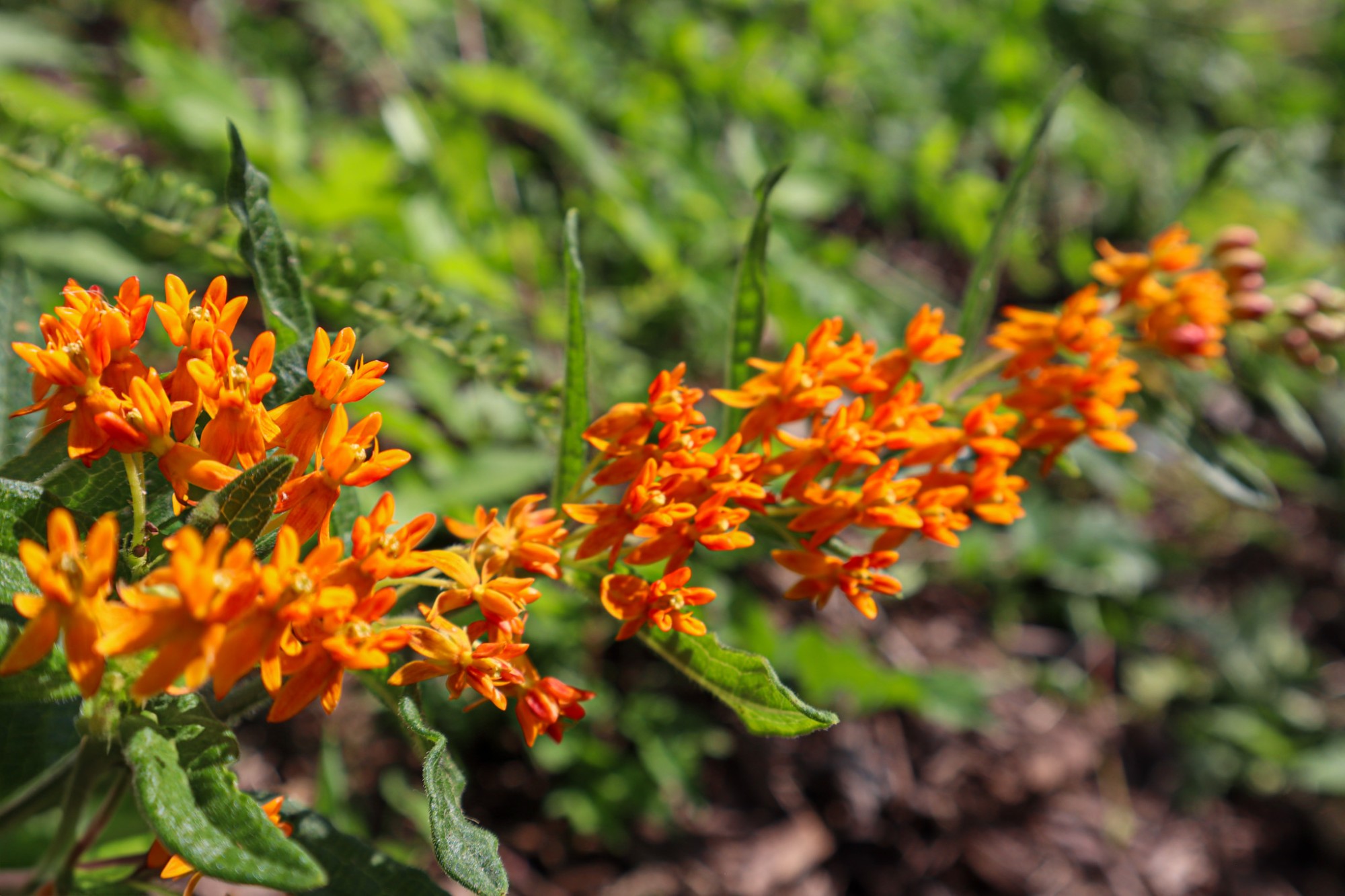
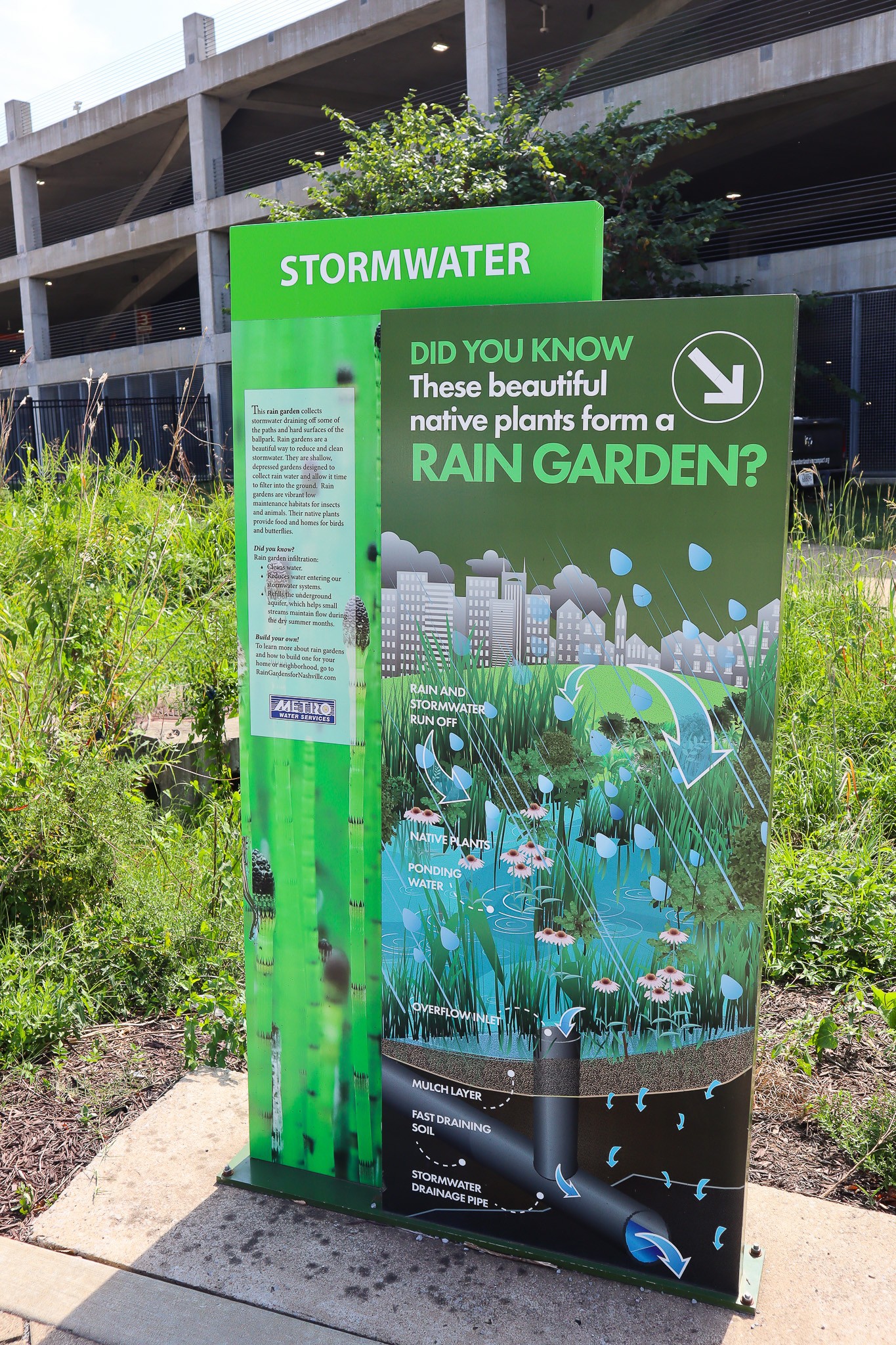
The bioretention cell uses native plants like big bluestem, milkweed, and ironweed to slow and filter stormwater runoff. These plants, whose root systems are several times longer than those of normal turf grass, play a crucial role in absorbing stormwater and filtering out pollutants. In addition to these highly absorbent plants, the cell includes an overflow riser to manage excess water during extremely heavy rains. In addition to being effective and popular stormwater control measures, bioretention cells also provide habitat for native wildlife - and visual interest for park-goers.
Native milkweed growing in the bioretention cell is a valuable resource for endangered monarch
butterflies, which stop in Nashville during their annual migratory flight.
The Cumberland River Compact’s ongoing maintenance of the bioretention cell, including the removal of invasive plants and trash, helps keep this vital system operating at peak performance. The hope of Metro Sports Authority and the Compact is that First Horizon Park serves as a model of how thoughtful design can achieve a net neutral impact on stormwater in Germantown.
Infographic sign at First Horizon Park describes the bio retention "Rain Garden" and its stormwater control cycle
About Cumberland River Compact: The mission of the Cumberland River Compact is to enhance the health and enjoyment of the Cumberland River and its tributaries through education, collaboration, and action. Learn more at cumberlandrivercompact.org.
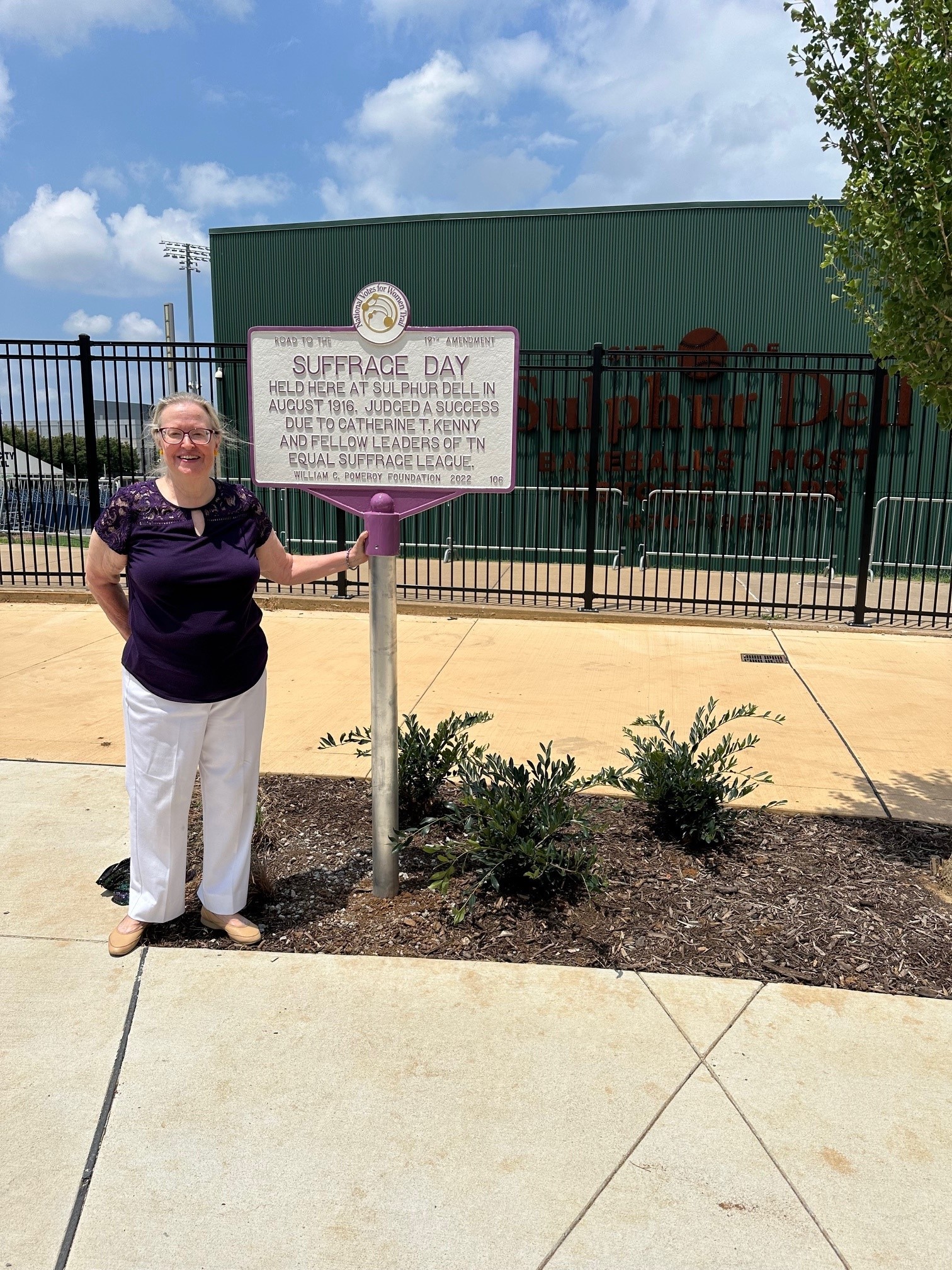
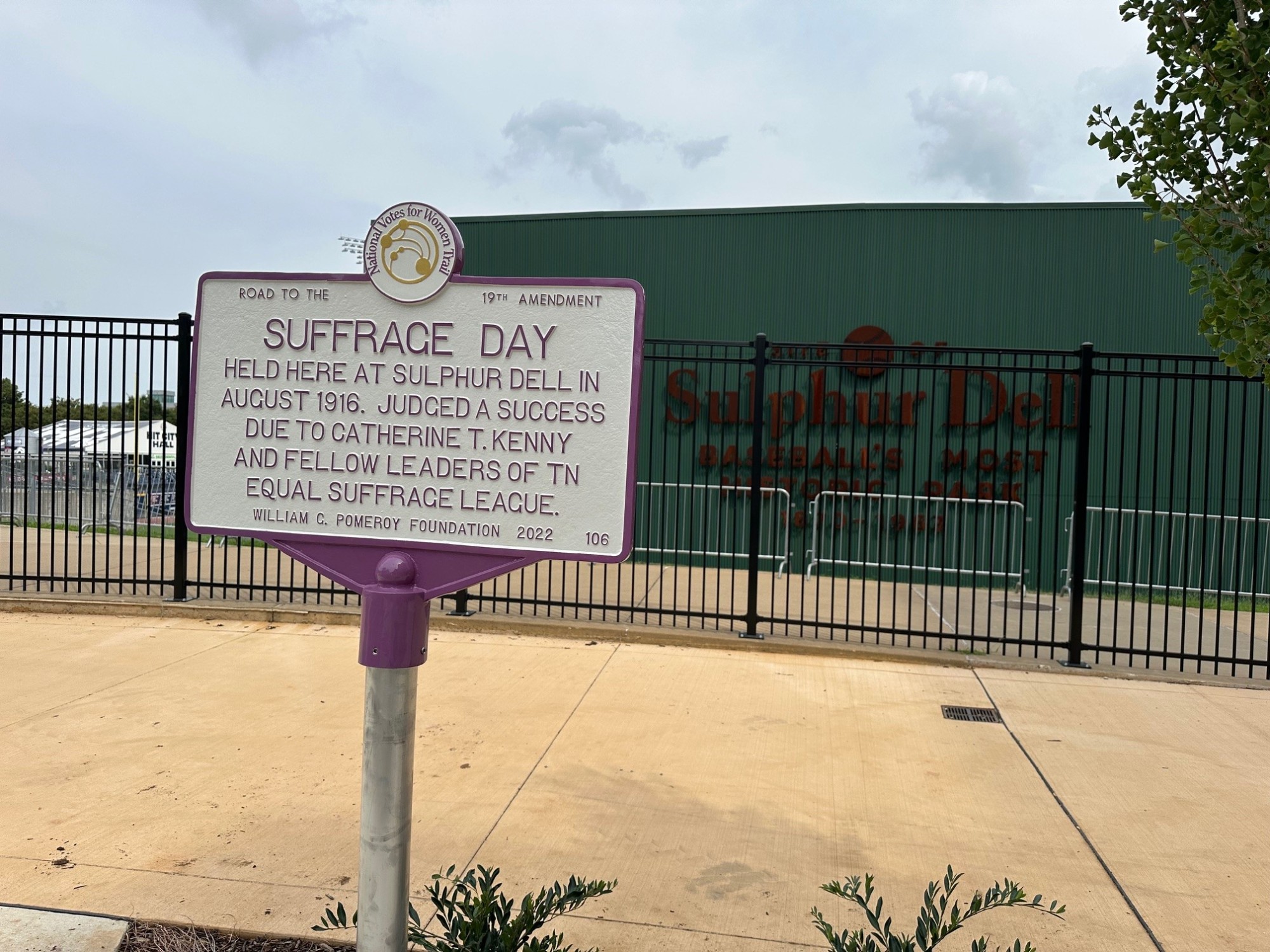
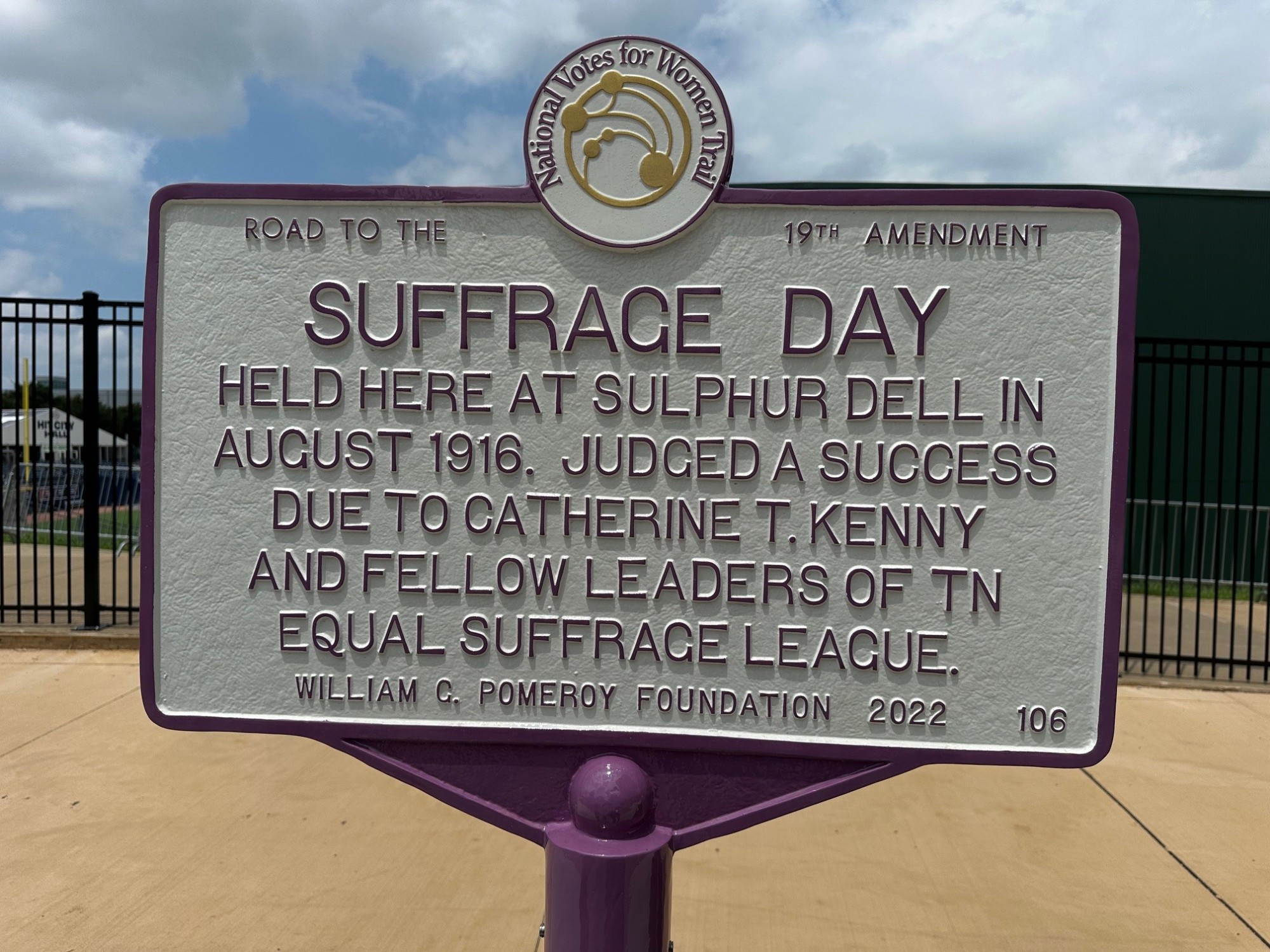
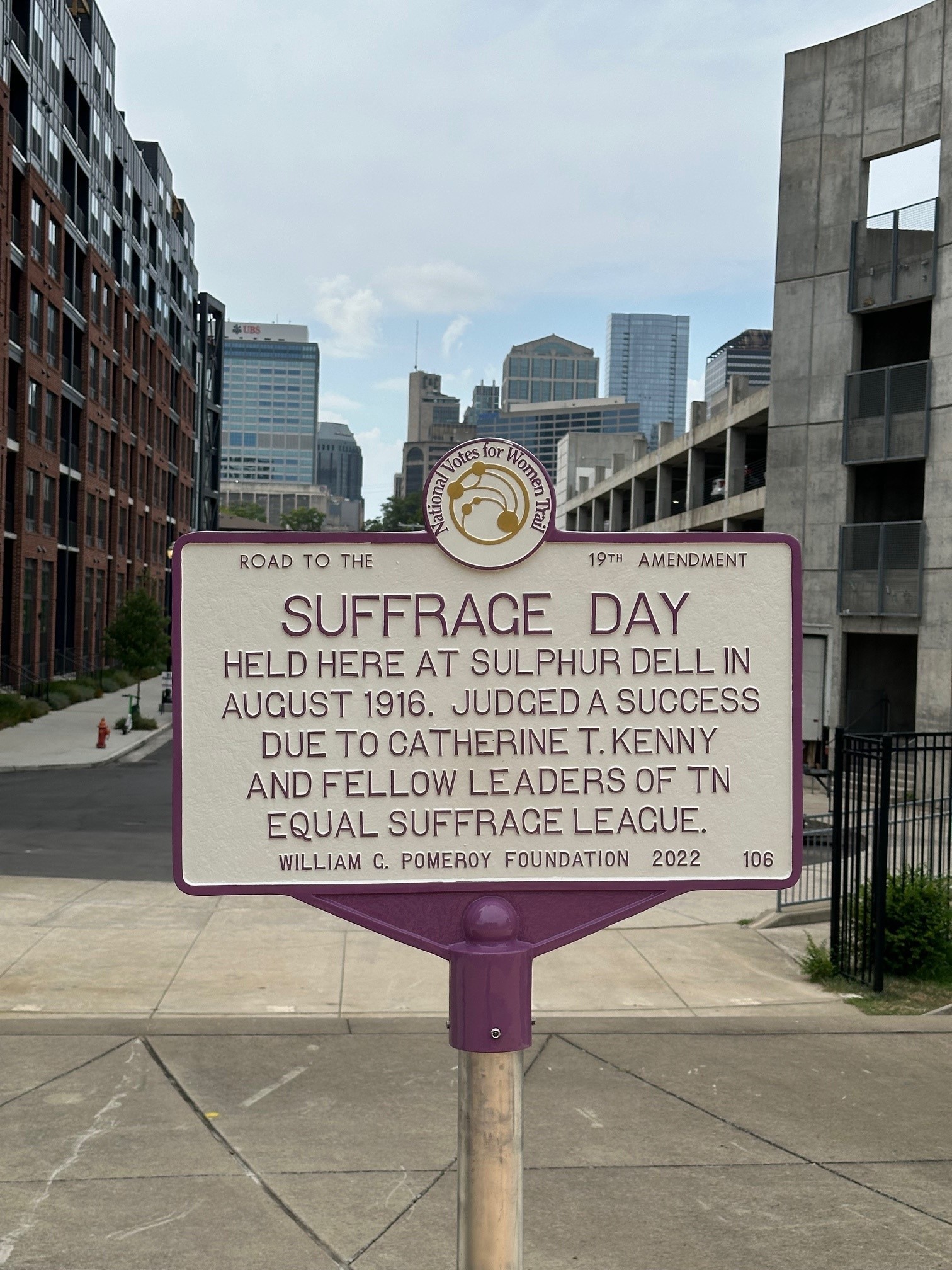
National Votes for Women trail marker along the Cumberland River Greenway Connector
The National Votes for Women Trail recognizes and celebrates the enormous diversity of people and groups active in the struggle for women to win the vote. The Trail consists of two parts: 1) a database with digital map and 2) a program of historical markers for about 250 women’s suffrage sites across the country, funded by the William G. Pomeroy Foundation. There are currently more than 2400 sites listed on the database.
The newly installed marker at the former Sulphur Dell ballpark recognizes the savvy of Catherine T. Kenny, a brilliant suffrage strategist in Nashville. She and the owner of the Nashville Volunteers minor league baseball team coordinated Suffrage Day in August 1916 for a ballgame where the players wore yellow sashes that said "Votes for Women." More information is available at the Tennessee State Museum website.
This is the seventh marker in Tennessee. The others are in Johnson City, Morristown, Knoxville, Clarksville, Memphis and a second marker in Nashville is at Meharry Medical College, 2001 Albion Street.