
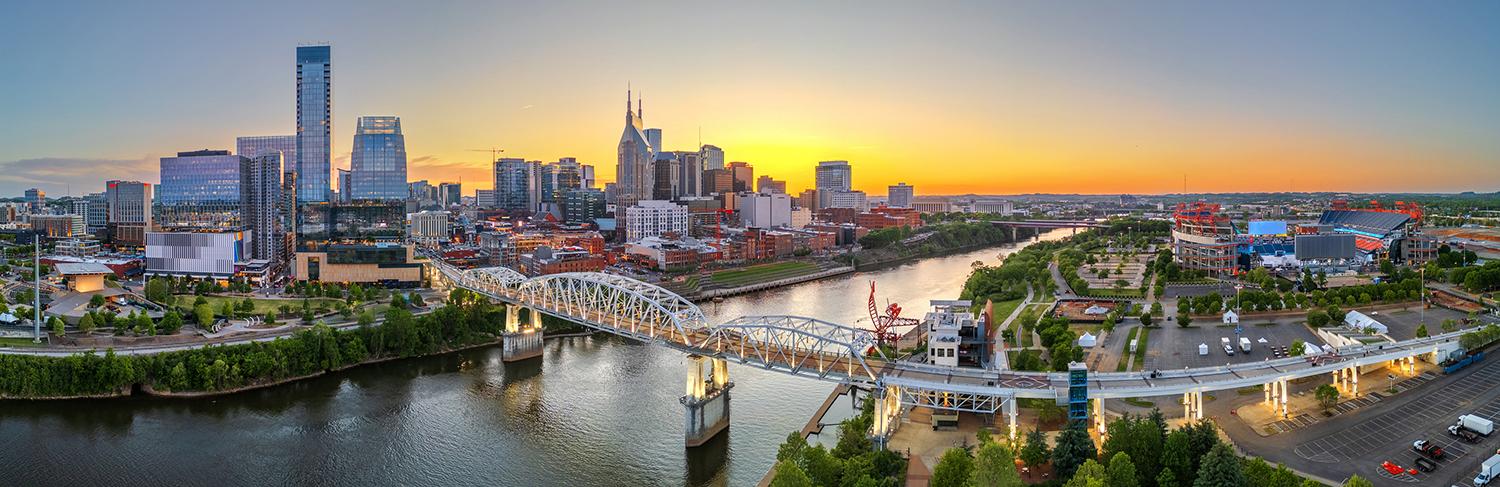
The need to invest in a modern, multimodal transportation system is not new to Nashville. In fact, the city has spent most of this century analyzing how to improve its transportation systems. Now, Mayor O’Connell and the Choose How You Move Chief Program Office are focusing on implementation.
Over the last 15 years, more than 70 neighborhood, community, citywide, and regional plans have been created to support expanded and enhanced transportation and mobility infrastructure. These plans are diverse but overlap in outlining a strategy that links our neighborhoods to improved multimodal transportation as they grow and change by addressing sidewalks, bikeways, bus service, public safety, streetlights, technology, sustainability, public health, open space, recreation, aging populations, and much more. Below are links to several of the more significant and foundational citywide and regional plans to follow.

NashvilleNext
NashvilleNext established a community-oriented vision for future growth linked to multimodal transportation options, including high-capacity transit along several major corridors, and linking to centers throughout the county. This established updated community plans for all of Davidson County and re-oriented transportation around a multimodal vision for complete streets with Access Nashville: 2040 Major and Collector Street Plan (2015).

nMotion
nMotion builds on NashvilleNext to outline a more robust local and regional WeGo Public Transit system. It identified three scenarios with a recommended plan outlining light rails on several major corridors, rapid bus transit, and improved bus frequency. A version of this plan was carried forward in 2018 for implementation to voters and was not funded. Two scenarios evaluated during the development of nMotion outline improvements to essential transportation infrastructure, such as sidewalks, signals, and improved transit frequency with hubs across the county. (2016/2018 vote)

WalknBike Plan
Metro’s WalknBike Plan is a blueprint for linking neighborhoods to transit and other key destinations via sidewalks and bikeways, and making Nashville safer overall for vulnerable road users. Projects are prioritized based on the safety of people walking and biking, connectivity to existing networks, the presence of vulnerable or underserved communities, and access to transit. (2017/2022)
Vision Zero Action Plan
Metro’s Vision Zero Action Plan is oriented around the safety goal of achieving zero traffic deaths on Nashville’s streets by identifying high-crash corridors, investing in transportation safety, and focusing on proven strategies to reduce serious injuries and fatalities. (2022)

Connect Downtown
Connect Downtown aims to improve mobility and address traffic congestion in Nashville’s downtown core by identifying projects, programs, and policies to help better manage increasing congestion and make it easier for people to get around by all modes of transportation. (2024)

Middle Tennessee Connected
Middle Tennessee Connected was adopted by mayors and transportation officials as the Regional Transportation Plan for the seven-county Middle Tennessee region, setting forth collective transportation goals for city and county governments, transit agencies, and TDOT. (2021)

How Nashville Moves Transition Committee
Given a strong foundation in planning and clear recommendations from Mayor O’Connell’s How Nashville Moves transition committee, Choose How You Move drew upon all of these plans to develop a project list for implementation with dedicated funding.
Related Tags
Choose How You Move
Last updated: January 28, 2026 at 11:52 AM