
Metro Water Services Contact Information
Address
Metro Water Services Customer Service Building
1700 3rd Ave N
Nashville,
TN
37208
Phone
The Low Impact Development (LID) Manual is a site design approach that utilizes Green Infrastructure to meet a development site’s post development stormwater runoff water quality requirements. This approach satisfies the new MS4 Permit requirement to infiltrate, evapotranspire, or harvest and use the first inch of rain.
Low Impact Development Manual 2021 (full version)
If a project in the MS4 area has sufficient site limitations that preclude it from meeting the Low Impact Development requirement, they will need to submit a Low Impact Development Waiver Application electronically to MWS LID Waiver ([email protected]). In certain cases where infiltration rates cannot be determined or a bioretention area is being placed on fill or in over excavated rock, there is a modified bioretention design that can be utilized.
If you are having difficulty opening the .DWG file format, follow the following steps:
The Bio Media Certification List is a contact list of vendors who have received bioretention media certification by Metro Water Services. The companies on this list have provided sufficient documentation and test results that their bioretention media meets MWS’ specifications as outlined within Volume V of Metro Nashville’s Stormwater Management Manual. This allows companies on this list to forgo providing test results of their bioretention media for the as-built process. This list is for your convenience only and is not a recommendation or endorsement by the Metropolitan Government of Nashville and Davidson County of the product these companies provide nor is it an exclusive list of companies that offer bioretention media. Sites/developments are not required to use any of these companies on this list. Please be aware that companies not on this list are required to provide test results of their bioretention media for the as-built process.
A Site Design Tool has been created to aid engineers in designing the water quality treatment for a project in accordance with the methodology in the LID Manual. This program can be downloaded onto your computer and used to calculate if a site meets Metro’s water quality requirements. To ensure we are able to send out any updates to this tool, we are now requesting you to enter your e-mail address before this tool can be downloaded.
Request the LID Site Design Tool
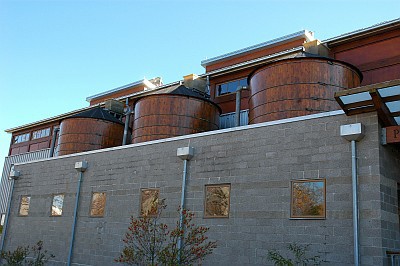
This cistern design tool was designed by Matthew Jones of NC State University and can help size a cistern, determine if it is meeting a site’s runoff reduction goal, and calculate the cost savings.
Photo courtesy of the Chesapeake Bay Foundation