Active and Planned Paving Projects
The Nashville Department of Transportation and Multimodal Infrastructure (NDOT) maintains 2,457 centerline miles of roadway within Metro Nashville and Davidson County. In order to manage the maintenance and rehabilitation of the pavement on Davidson County's roadway network, NDOT has developed a comprehensive Long Range Paving Plan.
Maintenance and Resurfacing Techniques
Asphalt resurfacing improves driving conditions as well as the aesthetics of the roadway. Learn more about the process.
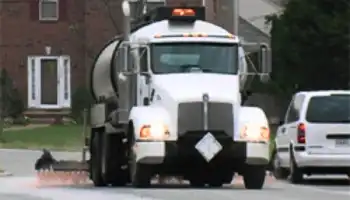
Rejuvenation is a preventative maintenance technique applied to newly paved streets to prolong its service life. Learn more about the process.
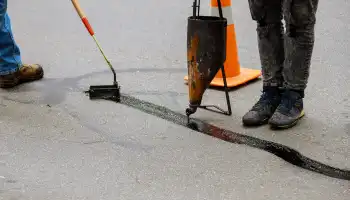
Crack Sealing is a maintenance method to repair cracks in the roadway and prevent further asphalt deterioration. Learn more about the process.
A technique where infrared heating systems apply heat to pavement surfaces to blend new asphalt and create smoother surfaces. Learn more about the process.
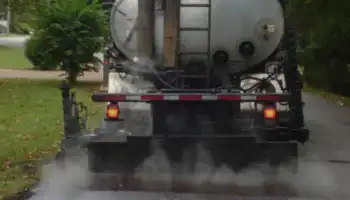
Fog Seal (PASS) is a polymer-modified asphalt surface sealer that rejuvenates and seals worn asphalt. Learn more about the process.
Frequently Asked Questions
What process is used to determine which streets to pave?
Metro Nashville relies in part on a Pavement Management System to generate an Overall Condition Index (OCI) for every section of road in Davidson County. Pavement condition data such as distress (cracking), rutting, and roughness are collected on all Metro streets and input into the Pavement Management System to generate the OCI. The OCI is then used in conjunction with other variables such as traffic, type of road, other capital projects and funding level to prioritize a list of streets to pave.
What is a Pavement Management System?
A Pavement Management System is a computer-assisted process that examines every public road in Metro Nashville to determine the condition of the pavement, the ride quality, and the best means to repair and restore the pavement. The system provides a fair and objective way to compare needs in all the city’s neighborhoods to ensure the decisions are made in the community’s overall best interest.
What type of data is collected to determine the overall condition of Metro streets?
Roughness, rutting, and distress (cracking) are collected on all Metro streets. In order to maintain quality data on Metro roads, one-half of the roadway network is re-evaluated each year to keep our data current. For further information regarding data collection on Metro streets, please refer to Chapter 3 in the Long Range Strategic Plan.
What preventive maintenance methods are used to maintain Metro streets?
Rejuvenation is a preventative maintenance technique applied to newly paved streets to replenish lighter oils and rejuvenate the roadway to prolong its service life. Crack Sealing is a maintenance method to repair cracks in the roadway and prevent further asphalt deterioration, enabling a prolonged service life. Infrared Repair is a technique where infrared heating systems apply heat to pavement surfaces and aid in the removal of existing material and replacement with new asphalt mixture. Fog Seal (PASS) is a polymer-modified asphalt surface sealer that rejuvenates and seals worn asphalt.
What paving methods are used to maintain Metro streets?
Asphalt Resurfacing is necessary when the asphalt surface has reached the end of its service life or if other methods of restoration cannot repair the roadway. A new asphalt surface will improve driving conditions as well as the aesthetics of the roadway.
Why has my street been milled, but has not been paved?
An early step in the typical street resurfacing process is the "milling" of the existing paved surface. Most streets with curb and gutter require milling. In most cases, the surface should not remain milled for more than 14 days. If more information is required about the milling of your street, please contact hubNashville.
Contact hubNashville
Related Tags
Pavement Management Program (Transportation)
Nashville Department of Transportation and Multimodal Infrastructure
Last updated: June 23, 2026 at 11:46 AM