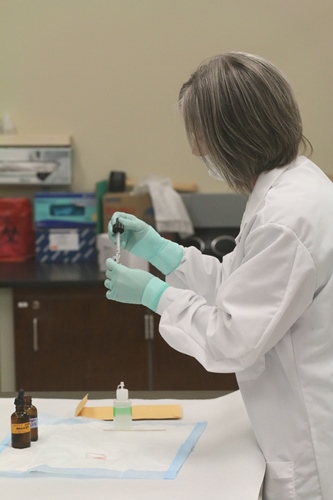
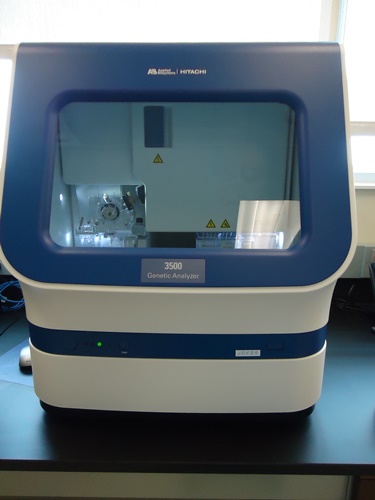
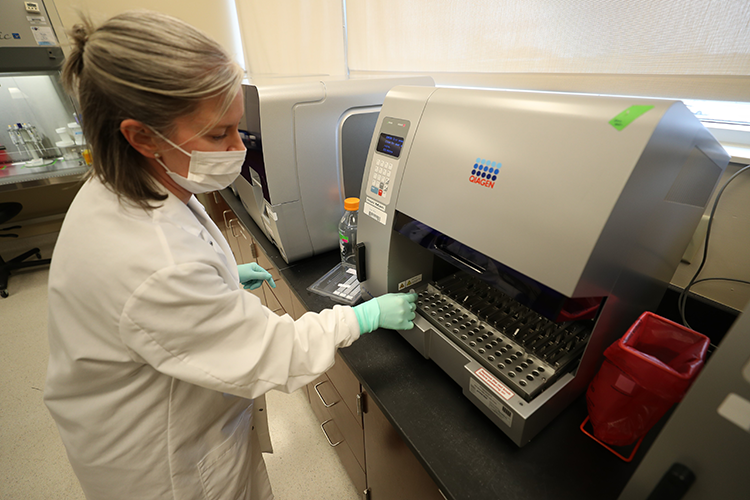
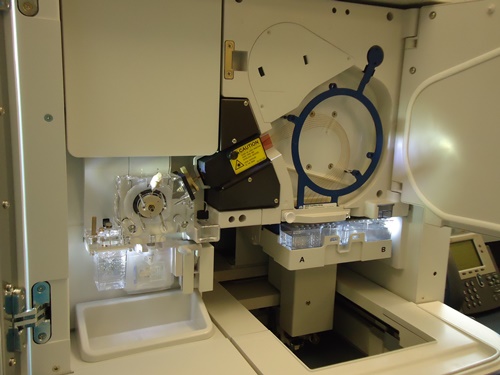
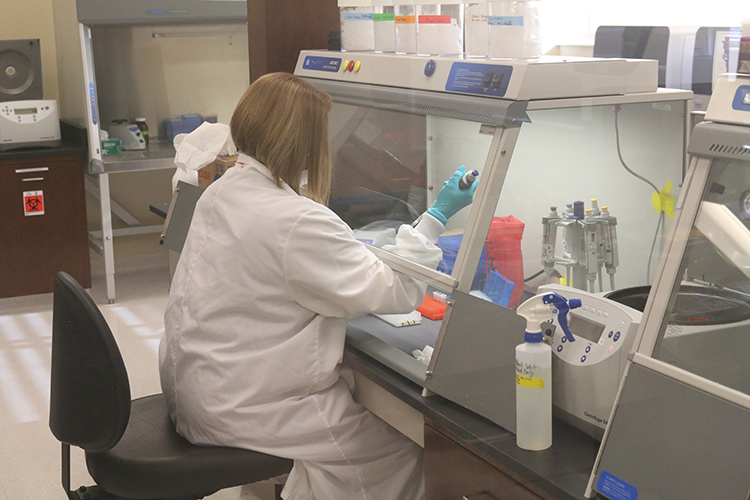
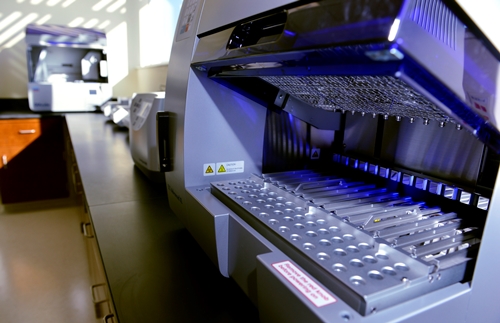
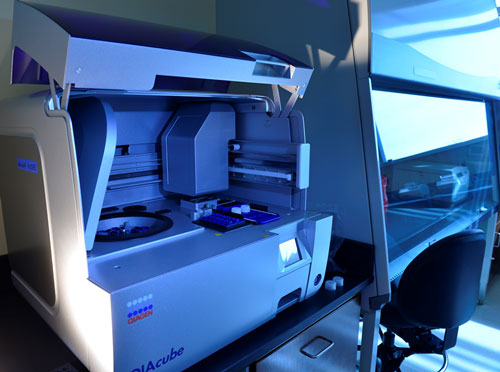
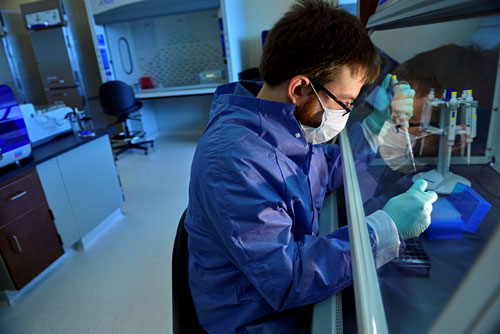
The Forensic Biology/DNA Unit uses high-quality technology and scientific processes to detect, collect, and interpret the results from biological evidence. Comprised of two mutually exclusive but overlapping disciplines, forensic serology and forensic DNA, the unit will examine various types of evidence to locate possible biological materials containing potential DNA. Analysis of the DNA can provide investigative leads, identify potential suspects, and assist in court proceedings.
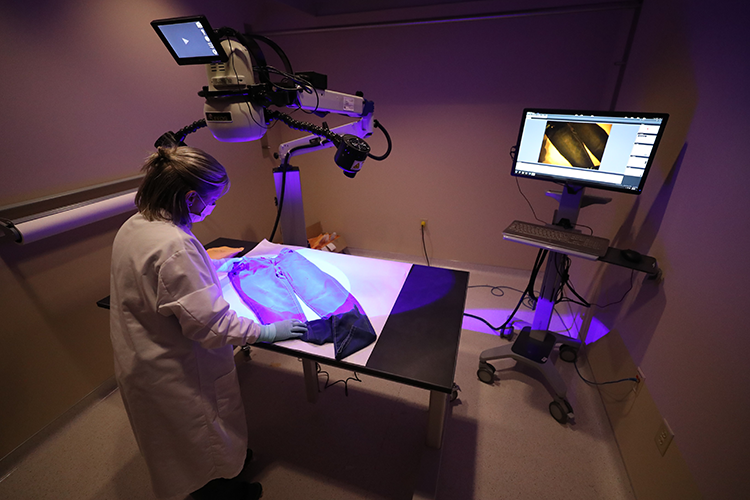
The role of forensic serology is to detect and identify the presence of biological evidence. Highly skilled analysts may use specialized equipment to locate possible biological stains and then conduct appropriate chemical and microscopic testing for the determination of type and origin of biological material present. Serological tests may be used in the identification of blood and/or semen. Some of these samples may proceed directly to the DNA process. When the suspected DNA source is saliva and/or epithelial cells (skin cells), serological testing is not conducted, and the samples may proceed directly to the DNA process.
Forensic DNA analysis is a multi-step process which involves the extraction of DNA from biological material, quantitation of human and/or male DNA present, amplification of DNA, and finally, interpretation of the DNA data. The actual DNA profile is a product of the amplification of many short tandem repeats, providing statistical weight to the DNA results. The generated forensic profiles can be compared to reference DNA samples for potential contributors or searched within the Combined DNA Index System (CODIS) database of previous offenders, if they meet the necessary requirements.
Forensic Biology Quality Manual
Forensic Biology Technical Procedures
Related Tags
Metropolitan Nashville Police Department
Administrative Services (Police)
Forensic Services (Police)
Crime Lab (Police)